


Company Introduction
We are a factory, established in 2012, where cover 4500 square meters and have passed ISO9001 Quality certification. Changyun Hardware major products are frameless glass spigot, glass standoff, balustrade fittings, top railing system hardware, shower door hinge, glass door handle etc.
Technical fields with precision casting, CNC machining, metal stamping, pressing, punching, drilling, tapping, forging, lathing, polishing, assembling and final packaging.
Why Choose Us
Rich Experience
According to the certified quality system ISO9001. Our activity is based on the analysis of market requirement, development of our production, study of new products, research and control of the raw materials, enlarge our service and try to give customer one store shopping service.
Professional Team
We have advanced equipment and first-class technical staffs, with 100% quality supervise and control and more than 10 years development, Our main market in Germany, Canada, Australia, New Zealand, USA. In year 2018, Changyun Hardware have 63 workers and turn over up to USD$ 6 million.
Quality Control
Products from Changyun Hardware not only focus on good raw material, beautiful surface but also competitive price, on time delivery and superior service. Basically Nobody can beat our price on the basis of the same high quality standard.
One-stop Solution
We can offer a range of services, from consultation and advice to product design and delivery. It is a convenience for the customers, as they can get all the help they need in one place.

The side pull stainless steel latch is an impressive piece of hardware that is designed to provide secure locking functionality. Made from top-quality stainless steel, this latch is ideal for use in various settings like gates, doors, and cabinets.
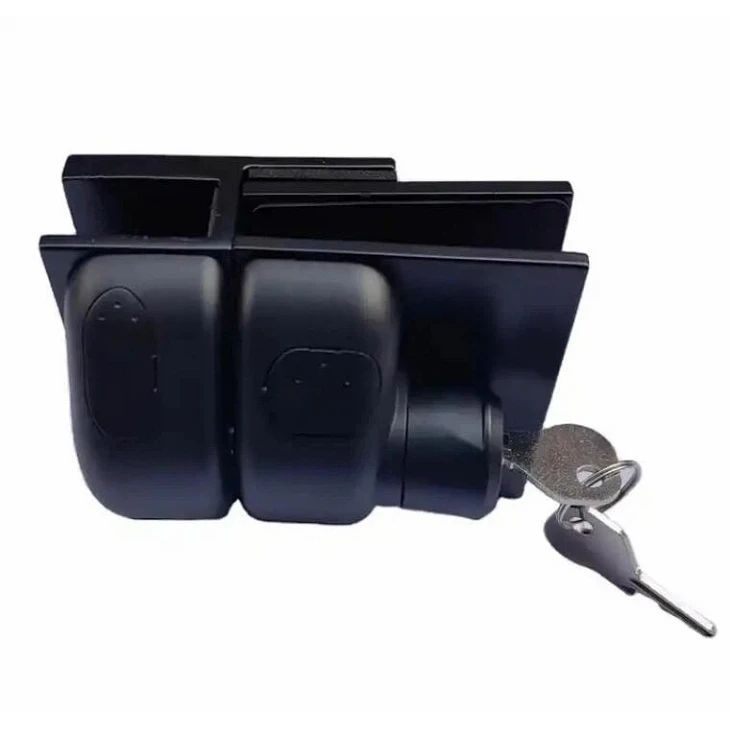
Glass pool gate latches are an essential component of any swimming pool area, as they ensure the safety of swimmers and prevent accidents. These latches are designed to secure pool fences and prevent unauthorized entry into the pool area.

Glass Pool Fence To Round Post Latch
Installing a glass pool fence is an excellent decision, as it adds a layer of safety and elegance to your outdoor swimming area. To ensure your fence is secure, you need a reliable latch mechanism that can withstand the weight of the glass panels and keep curious children and pets out of harm's way.
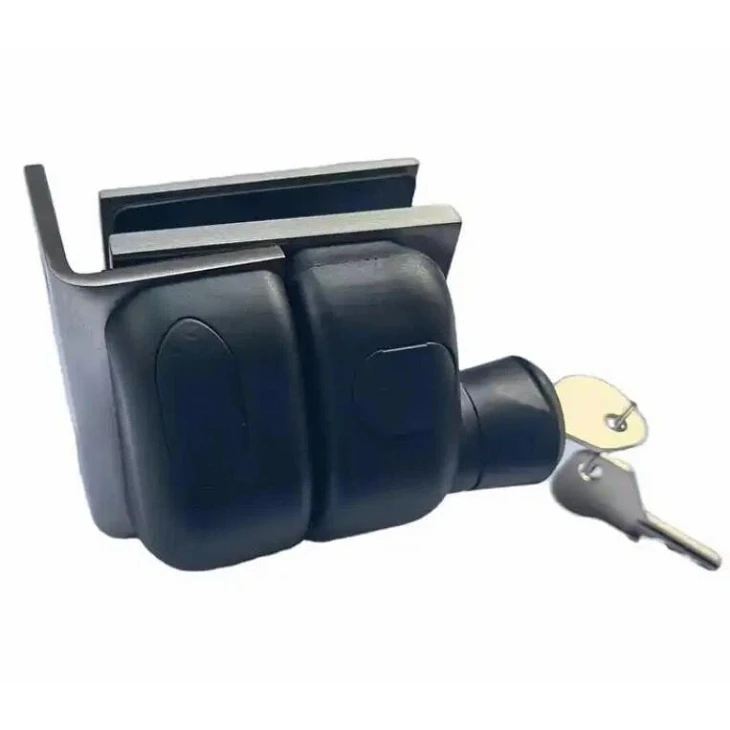
Stainless Steel Glass To Square Post Latch
Stainless steel glass to square post latch is a great solution for those who want to enhance the look and security of their glass doors or gates. It is made of high-quality stainless steel that not only looks sleek and modern but also provides durability and strength.

Swimming Glass Gate Corner Latch
Swimming is a great way to stay active and healthy, and having a safe and secure area to swim is important. That's why the swimming glass gate corner latch is such a valuable addition to any pool area. This latch ensures that the gate remains securely closed and locked when not in use, preventing any accidents or injuries from occurring.

A pool glass fence gate latch is an essential component for ensuring the safety and security of your pool area. Not only does it keep unwanted visitors out, but it also ensures that children and pets cannot accidentally access the pool.

180 Degree Glass To Glass Latch
A 180 degree glass-to-glass latch is an essential element for any glass door that requires reliable and secure closure. With its innovative design and sturdy construction, this latch ensures that your glass door stays securely closed, while providing easy and convenient access.

Side Pull Stainless Steel Latch
The side pull stainless steel latch is an impressive piece of hardware that is designed to provide secure locking functionality. Made from top-quality stainless steel, this latch is ideal for use in various settings like gates, doors, and cabinets. Its sturdy construction ensures durability and longevity, making it a worthwhile investment.

A glass door magnetic latch is a simple yet effective way to keep your glass doors secure and in place. It's a great option for those who prefer a clean and minimalist look without the use of bulky handles or locks.
What is Glass Door Magnetic Latch?
Glass Door Magnetic Latch is made up of a catch body that is magnetized and a ferromagnetic strike plate. They are used to provide automatic and convenient furniture door latching. Other designs use two magnets, one on the door and one on the frame. These are used for low-traffic and light-duty doors.
The hollow body of the magnetic door latch is typically made of non-ferromagnetic metal or plastic. A bar magnet is housed within the non-magnetic body. Steel plates are attached to the bottom and top sides of the bar magnet to concentrate the magnetic flux. The steel plates come into contact with the striker plate. The magnetic door latch is attached to the door jamb or frame, and the strike plate is attached to the door edge. These latches can be surface-mounted or concealed. When the door is closed, they make physical contact between the magnet and the metal strike plate.
Enhanced Security
One of the primary concerns for any business is ensuring the safety of its employees, customers, and valuable assets. Magnetic locks offer an exceptional level of security by utilizing powerful magnets to secure doors. Unlike traditional lock and key systems that can be easily compromised, magnetic locks provide an additional layer of protection.
Magnetic door locks are extremely difficult to pick or tamper with, making unauthorized access significantly more challenging. The absence of keyholes or cylinders also eliminates the risk of lock picking or bumping techniques.
Convenient Access Control
Efficiency is a critical factor for businesses aiming to streamline operations. Magnetic locks offer a convenient and user-friendly access control system that allows authorized personnel to enter and exit with ease. These locks can be integrated with various entry methods, including keycards, fobs, or biometric scanners.
This eliminates the need for physical keys and the inconvenience of rekeying locks when an employee loses their key or leaves the company. Additionally, magnetic locks can be linked to centralized control systems, enabling remote access management and monitoring.
Quick and Silent Operation
In a bustling commercial environment, every second counts. Magnetic door locks offer swift and quiet operation, ensuring seamless entry and exit for employees and visitors. With a simple swipe or touch, the magnetic lock disengages, allowing users to pass through effortlessly.
Durability and Reliability
Commercial spaces experience high traffic and demand durable security solutions. Magnetic locks are known for their exceptional durability and reliability, making them ideal for withstanding the rigors of daily use.
Unlike mechanical locks, magnetic locks have no moving parts that can wear down over time, reducing the risk of lock malfunctions.
Glass Door Magnetic Latch Design
A Glass Door Magnetic Latch is made up of a metal plate, usually made of steel, and a mounted magnet. Though not required, most magnets for this type of door are encased in plastic and have flanges for holes on three sides to attach the magnetic material to the door or the door frame.
The magnets have enough magnetic force to keep the door closed, but they can easily be disengaged when an external force is applied. After removing the contents of a cupboard or cabinet, for example, the door can be swung shut and the magnet returns to its original position.


Material: Latches are typically made of metal. Carbon steel, alloy steel, stainless steel, aluminum alloys, and copper alloys are examples of these materials. Because of their formability, machinability, and strength, metals are the first choice for producing latches. If desired, secondary processes such as finishing and coating can improve their external characteristics. Other materials, such as plastics and rubbers, are normally used as trims or wraps to absorb shock or reduce vibration.
Finishing and Coating: Finishing and coating are secondary processes used to improve the surface qualities of latches and other products. Plating, powder coating, and painting are common secondary processes used in the manufacture of latches. Plating forms a thin layer of metal such as zinc, silver, or chromium, while electrochemical deposition adheres the metal to the part's surface. Powder coating, meanwhile, utilizes a spray gun to provide a protective layer of coating material to an object. Whether painting or using one of the other aforementioned coating processes, the goal is to make the latch more corrosion-resistant and suitable for outdoor use.
Polishing and Buffing: These steps are taken to achieve a smooth surface and a bright finish by removing burrs and other microscopic flaws from latches. Polishing can be done mechanically or electrochemically (via electropolishing).
Powder Coating and Painting: Again, these processes provide a protective layer of polymer material to the part's surface. Similar to metal plating, these processes add corrosion resistance to the metal latch. Furthermore, these coatings can be colored to improve the appearance of the product.
Strength: The strength of a latch can be categorized as being light, medium, or heavy-duty and these categories are dictated by the thickness of the material (typically metal) used to create latch plates, barrels, and rotors. Different thicknesses can be witnessed on the cams and bolts. Latches are made in a way that allows them to compact shearing effects and bending stresses.
Mounting: When installing latches, various types of mountings are available. In architectural applications, latches can be flush-mounted, mortised, or surface-mounted. Both the latch and the door surfaces are on the same level with a flush-mounted latch. Mortise latches are hidden inside the door's hollow cavity or pocket; only the handle and keyhole protrude from a mortise latch. Finally, surface-mounted latches are installed by simply bolting the latch assembly to the surface and frame of the door. There are no bores or holes required with surface-mounted latches.
What Materials Used in Glass Door Magnetic Latch
Aluminum: Aluminum is an excellent, lightweight material for door latches. Aluminum latches are long-lasting and rust-resistant. Aluminum is also one of the least expensive latch materials, so these latches are very affordable to consumers. However, because of its lightweight, this metal is more brittle than other latch materials.
Brass: Many homeowners use brass to enhance the design elements in their homes because of its stunning appearance. However, this is one of the least-common door latch materials. Depending on where they live, customers may have difficulty locating brass latches. Additionally, brass door latches need to be polished regularly for best appearance and, occasionally, for proper functionality.
Bronze: Bronze latches are more expensive than those made of other materials. A bronze latch, on the other hand, can complement a wide range of interior styles. Bronze is also resistant to chipping and rust, making it a long-lasting material. This type of door latch material can be kept in good condition by applying wax once a year to protect the latch and prevent patina.
Chrome: Consumers will come across many chrome latches while browsing different latches. This material is frequently used for latches because of its gleaming appearance. Chrome, on the other hand, is less durable as a latch material than stainless steel. Chrome latches are also more prone to chips and scratches over time when compared to many other latch material options.
Iron: Iron latches are distinguished by a black powder coating that protects the metal from the elements. This color is also appropriate for a variety of design styles. Regardless of this coating, iron latches are known to rust. Iron latches, on the other hand, will last a long time in areas where rust is not a problem. To keep the iron looking its best, it must be serviced regularly. It is recommended to use a ball of steel wool to remove rust spots before applying a protectant spray to the material's surface. The coating can also be provided with spray paint.
Stainless Steel: Stainless steel has a similar appearance to aluminum. Stainless steel, on the other hand, is known for its high durability and resistance to pressure. While powder-coated stainless-steel latches are available, the natural silver color of uncoated stainless steel provides a great modern look. Stainless steel is also already corrosion resistant on its own, making it an excellent material choice for those who are constantly plagued by rust. To keep the stainless-steel gate latch material in good condition, wash it with mild dish soap and warm water, then wipe it dry.
Plastics: Manufacturers can also use high-strength thermoplastics to construct plastic latches for those door latches with lighter requirements. Plastic latches perform just as well as metal latches in lighter-duty applications, with the added benefits of high impact resistance and flexibility.
When selecting magnetic catches, one of the first factors to consider is the material. All magnetic catches contain a magnet that is usually encased in a material. Some of them use plastic to accomplish this. Magnetic catches made of plastic are inexpensive, versatile, and long-lasting. Aluminum is also available as a lightweight, rust-resistant metal that is popular for magnetic catches.
When selecting magnetic catches, you should also consider the shape. Magnetic catches are most commonly made in rectangular shapes. Having said that, magnetic catches are also available in a variety of other shapes. Some of them are cylindrical. They are known as barrel magnetic catches and can hold multiple magnets. Don't forget to get the right size magnetic catches. They must fit the objects on which they are to be installed, regardless of material or shape.
When selecting magnetic door catches, consider the height, depth, and width. These measurements can be compared to the objects to which they will be paired to ensure that the magnetic catches will fit. When choosing magnetic latches, there are several additional factors to consider.
Glass Door Magnetic Latch vs. Electric Door Latches
The locking method of Glass Door Magnetic Latch and electric door latches both have advantages and disadvantages. Traditional metal keys, key cards, or handheld remote controls can all be misplaced or broken, whereas numerical key codes can be forgotten (or learned and memorized by the wrong person). When necessary, key codes can be changed quickly and easily by the user, whereas changing physical locks and keys is much more involved, requiring specialized hardware and expertise. However, power outages present a problem for purely electronic door locks because they remain locked or unlocked until the power is restored or the battery is replaced; this is not an issue for Glass Door Magnetic Latch.
Most electronic door locks have a combination of physical-locking control and electronic-locking control on the same door. For example, you may have a physical key for setup and emergency backup, but you may normally use the remote or keypad to lock and unlock the door. This adds an extra layer of convenience for the user, while also providing additional security and functionality. Electronic door locks for traditional swing doors are widely available, and electronic sliding door locks are becoming more common as well.
Traditional key locks employ some variation of the "pin and tumbler" method in which the lock cylinder is held in place by a row of small metal pins, each with an upper and lower half. The uneven "serrated" edge ensures that each pin moves a certain distance when a key is inserted and turned. Only when each pin is moved just enough to create a straight separation between the upper and lower halves of all pins can the cylinder be turned.
Electronic door locks also use "actuators," which connect the bolt or cylinder to a small motor that is completely hidden within the door or frame. An electrical impulse controls the motor, which can be triggered in a variety of ways, including an electronic card reader, a keypad, or a wireless remote control sensor. Whatever the trigger mechanism may be, the electronic door lock is programmed to activate the motor-driven actuator only after receiving the correct electronic input.
FAQ
Q: What is a magnetic door latch?
Q: What are the benefits of magnetic door latch?
Easy to Install: Magnetic catches can be installed quickly and easily, with basic tools, making them a DIY-friendly choice for most homeowners.
Q: How does a magnetic push latch work?
Q: How does a magnetic door closer work?
Q: Are magnetic latches any good?
Q: What is the purpose of a magnetic lock?
Q: Do magnetic door catches work?
Q: How strong is a magnetic door lock?
Q: How long do magnetic latches last?
Q: Can magnets be turned on and off?
Q: Where should a magnetic door stop be placed?
Q: What is the device holding a door closed by magnetic?
Q: What are the two types of magnetic locks?
Q: What happens to magnetic door locks when the power goes out?
Q: What is the difference between a maglock and a door strike?
Q: Why is my magnetic door lock not working?
Q: What is the difference between magnetic latch and magnetic catch?
Q: What is the purpose of a magnetic lock?
Q: What are the different types of maglocks?
Q: How do electronic door locks get power?